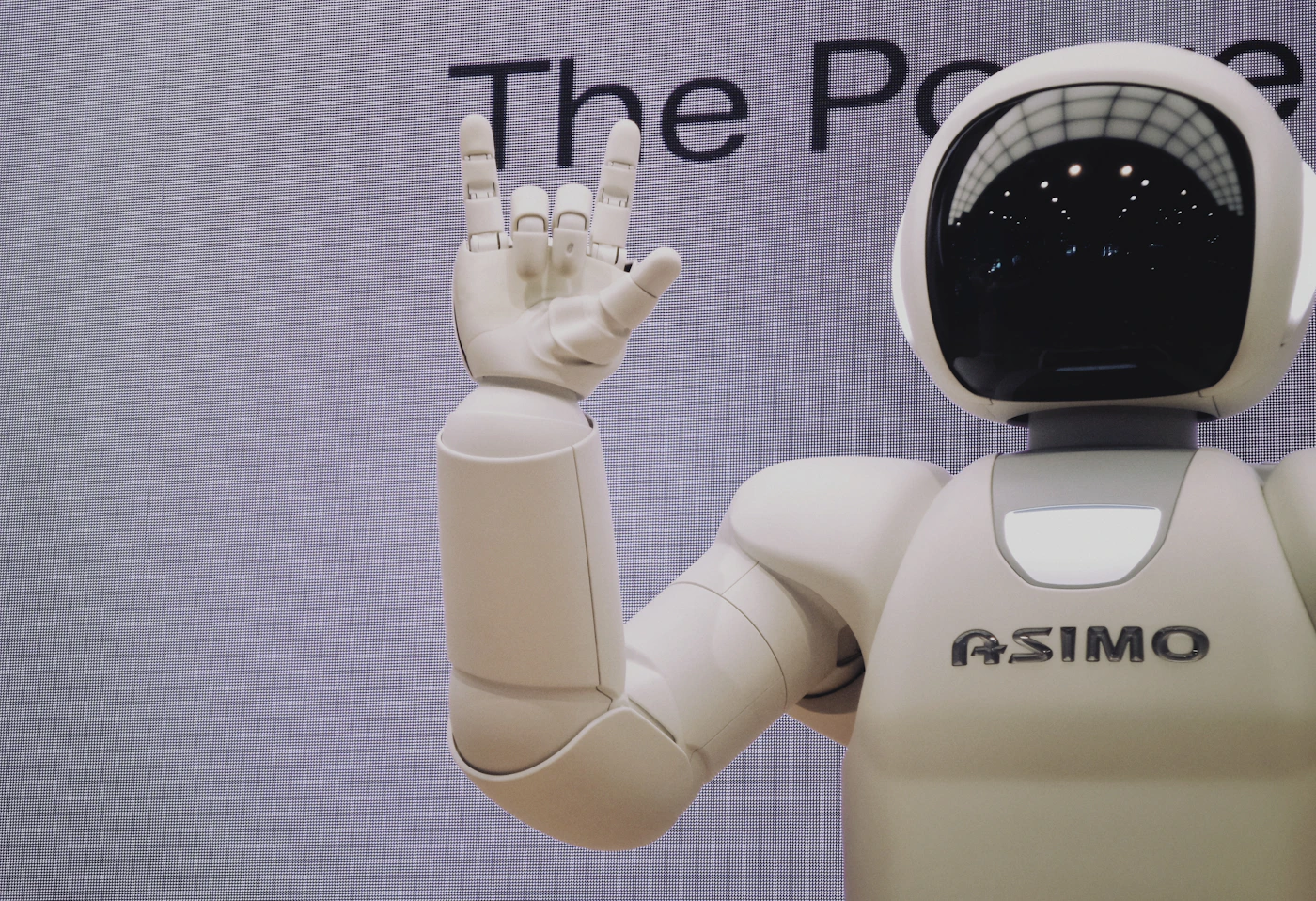
Can an AI Companion Really Make Us Feel Less Alone?
Artificial intelligence is entering one of the most personal areas of human life: companionship. People are increasingly using chatbots to discuss worries, practise conversations, share thoughts and find something to talk to when another person is unavailable.
The trend is attracting serious attention from psychologists because the technology may offer emotional support while also creating a new risk: replacing real-world social interaction.
People Are Already Turning to AI for Emotional Support
The American Psychological Association's 2026 survey of psychologists found that many professionals are encountering patients who use AI for support and engagement.
Some patients are even treating chatbots as an additional mental-health resource, while others use them for friendship or intimate conversations.
That does not automatically mean AI companionship is harmful.
Why Chatbots Can Feel Comforting
An AI chatbot is available almost instantly. It does not appear tired, distracted or impatient, and it can respond in a conversational style.
For someone who feels embarrassed about discussing a problem, this can create a low-pressure first step.
AI can also help turn vague thoughts into clearer questions.
The Biggest Risk: Replacing People
The important question is not simply how much AI someone uses.
The better question is:
What is the AI replacing?
If AI helps someone prepare for a conversation with a friend, it may complement human connection.
If someone starts avoiding friends because a chatbot is easier, the situation becomes more concerning.
Loneliness Can Become a Loop
Loneliness can make social interaction feel difficult. Avoiding interaction can then create even more loneliness.
Digital companionship can interrupt that cycle temporarily, but it may also reinforce avoidance if it becomes a substitute for real relationships.
Researchers studying conversational AI and young adults have found complex associations between AI use, loneliness and social anxiety, while stressing that these studies do not establish simple cause-and-effect relationships.
Five Healthy AI Boundaries
- Use AI to organise thoughts rather than replace relationships.
- Keep regular contact with friends and family.
- Do not treat a chatbot as a replacement for professional care.
- Protect sensitive personal information.
- Notice whether AI use is improving or reducing your real-world social life.
The Future of Digital Wellbeing
Digital wellness used to focus mainly on screen time.
AI changes the question.
We now need to consider not only how long we spend with technology but what emotional role technology is playing in our lives.
Bottom Line
AI companions may provide useful moments of support, reflection and conversation. But the healthiest approach is to treat them as tools rather than replacements for human connection.
Technology should help us connect better—not make human connection unnecessary.
This article is educational and does not replace professional mental-health advice.
